Partly. On August 31, 2026, the Florida Department of Transportation revoked every permit for license plate reader cameras on state highway rights-of-way and gave agencies until September 30 to remove them. The next day the Miami-Dade Sheriff’s Office suspended its entire plate reader program. But the state order does not reach city streets or private property, so cameras run by Miami, Miami Beach, Hialeah, Coral Gables and other municipalities are still operating. No law has been passed; the governor said one is needed.
What happened, in order
The shift started with a speech. On August 26, 2026, at Florida International University, Gov. Ron DeSantis called automated license plate readers “out of control” and said he did not want a surveillance state in Florida.
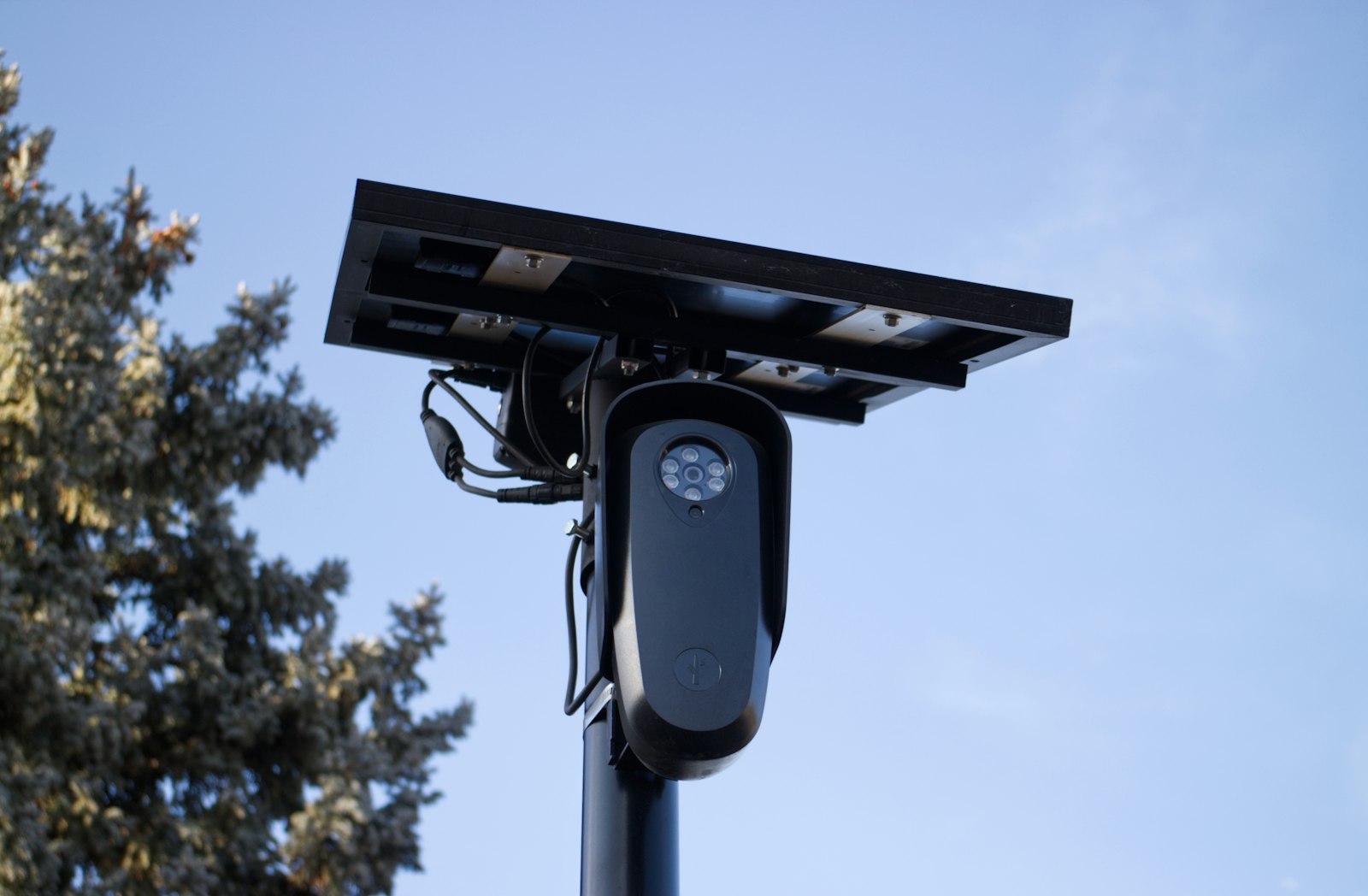
Five days later, FDOT issued memorandum EOM26-01. According to the Miami Herald, it revoked all existing permits for license plate recognition cameras in state highway rights-of-way, gave agencies 30 days to take them down, and said no new permits would be issued. The order covers state roads and roads that intersect the state highway system. It does not cover purely local roads or private property.
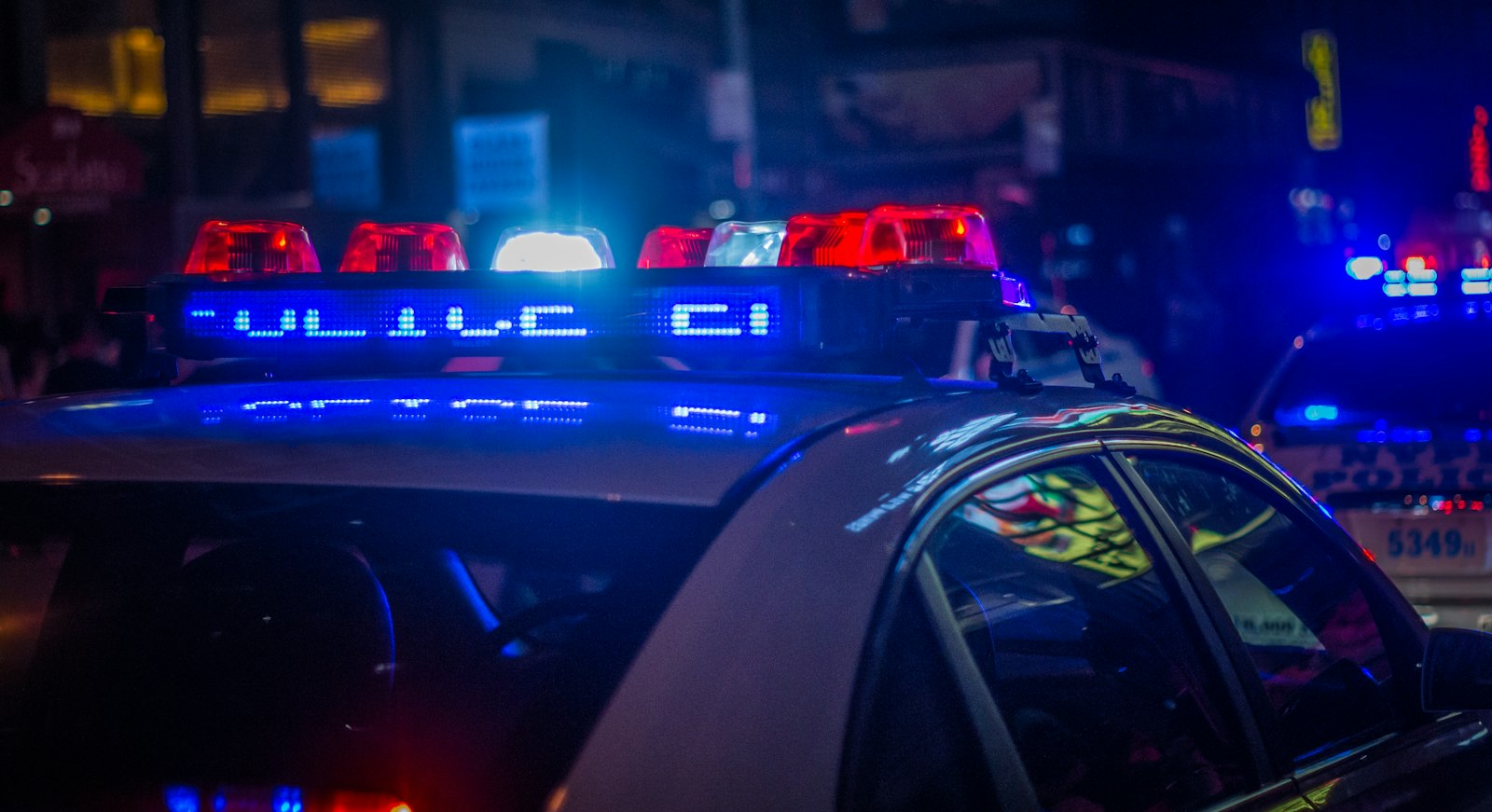
On September 1, Miami-Dade Sheriff Rosie Cordero-Stutz announced that every camera on FDOT infrastructure would be offline by the end of the day, and went further: the Sheriff’s Office suspended its license plate reader program in its entirety, while calling for clear policies, oversight and auditing before any return. Pembroke Pines followed with its own suspension, Local 10 reported.
Not everyone agreed. Seven Miami-Dade mayors, led by Miami Beach’s Steven Meiner, wrote to the governor on September 1 asking him to pause the order. Pinellas and Polk county sheriffs said they would pull cameras from state roads but keep using them elsewhere.
The removal deadline passed September 30. That same day, the Florida Phoenix reported, the Pinellas sheriff arrested two of his own deputies for misusing the system; one had run a woman’s plate 300 times. A TCPalm count put the number of Florida officers fired, arrested or placed on leave over plate reader misuse at 27. At least 100 Florida agencies have had contracts with Flock Safety.
Are Flock cameras still legal in Miami-Dade?
The state order is about where cameras sit, not whether the technology is lawful. Three categories now exist in the county:
Cameras on state roads and their intersections: removed or required to be removed as of September 30.
The Sheriff’s Office program: suspended in full as of September 1, including cameras that were never on state right-of-way. Whether any part of it has been reinstated since has not been confirmed as of mid-November.
Municipal cameras on city streets: still running. The City of Miami, Miami Beach, Hialeah, Coral Gables and other cities operate their own systems on local roads, and the mayors’ letter made clear they intend to keep them.
That makes the practical change uneven. A plate can be read at a city intersection in Coral Gables and go unread on the state road two blocks away.
Why a camera misread can mean jail
Plate reader hits have been a routine starting point for traffic stops, stolen vehicle arrests and warrant pickups across Miami-Dade. A hit tells a deputy that a plate matches a hot list; the deputy then stops the car. The system depends on the read being right and the list being current.
Lindsey Isaacs, a Central Florida woman, told a U.S. Senate hearing that a camera misread put her in jail for 13 days, Local 10 reported. The Pinellas arrests show the other failure: an officer with access running searches for personal reasons.
What this means if you are charged in Miami-Dade
If your case began with a plate reader hit, the date and the camera’s location now matter. Three questions decide a lot:
Was the camera on state right-of-way, and did the read happen after the September 30 removal deadline? A hit from a camera that should not have been there is a problem for the state.
Did the hit come through the Sheriff’s Office system after September 1, when the program was suspended? The sheriff’s own statement said the program was off in its entirety.
Was the hit verified before the stop? A deputy who stops a car on a raw alert, without confirming the plate and the reason it was flagged, is relying on a system that its own agencies have now paused for lack of oversight.
None of that automatically ends a case. Evidence found after a stop can still come in if the stop was lawful on other grounds. But the suspension and the removal order give a defense lawyer a concrete record to build on, and the misuse arrests in Pinellas give a court a reason to look harder at how a particular hit was generated. For a stop that led to a traffic or federal charge in Miami-Dade, ask your lawyer to request the camera location, the alert, and the verification step before the stop.
If the stop was in a city rather than on a county or state road, the analysis is different, because municipal cameras were never covered by the order. Knowing which agency made the stop is the first step.
At a glance
- August 31, 2026: FDOT memorandum EOM26-01 revoked all plate reader permits on state highway rights-of-way, with 30 days to remove.
- September 1, 2026: Miami-Dade Sheriff’s Office suspended its entire license plate reader program.
- September 30, 2026: removal deadline passed; Pinellas arrested two deputies for misusing the system.
- City cameras on local streets in Miami, Miami Beach, Hialeah and Coral Gables are not covered and still run.
- At least 27 Florida officers have been fired, arrested or placed on leave over plate reader misuse, per a TCPalm tally.
- Next step in any plate-hit case: get the camera location, the date, the alert record and whether the hit was verified before the stop.
This article is general information about Florida law and Miami-Dade procedure as of its publication date. It is not legal advice. Laws change, and the facts of a case matter.