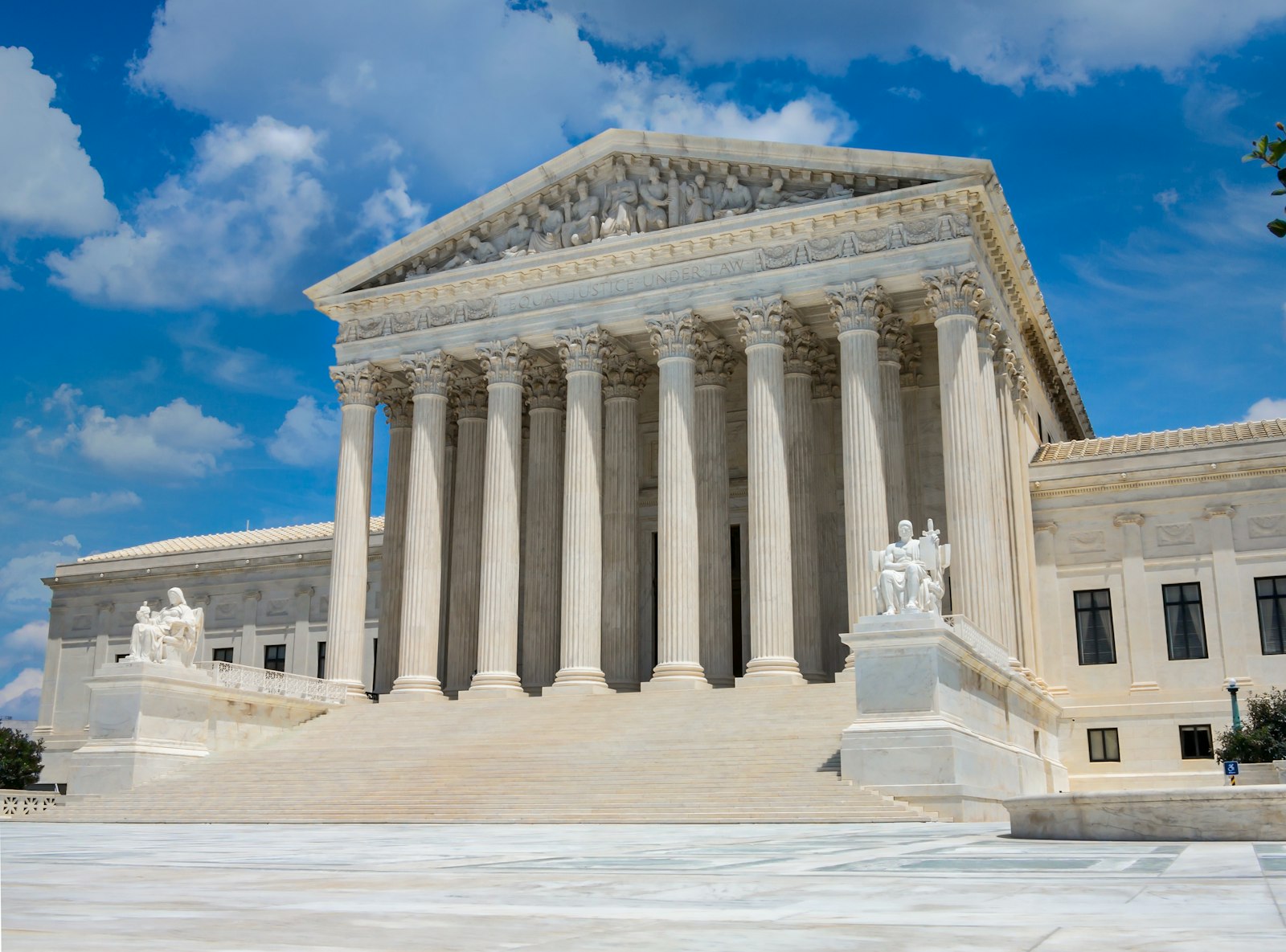
Yes, Florida still tries most felonies to a jury of six, and the U.S. Supreme Court has agreed to decide whether that is constitutional. The Court took the case, Kian v. Florida, on June 15, 2026, and will hear argument on January 13, 2027. Until it rules, the practical move for anyone with a pending felony in Miami-Dade is to have a lawyer file a written demand for a 12-person jury, because a defendant who never asks may lose the benefit of a favorable ruling.
Why Florida uses six jurors
Most states seat 12 jurors in a felony trial. Florida seats six for every felony except a capital case. The U.S. Supreme Court approved that in 1970 in a case called Williams v. Florida, holding that the Sixth Amendment does not fix the number at 12. Florida is now one of only six states that still try non-capital felonies to six people.
The argument against the practice is simple: 12 was the number at the time the Constitution was written, and the current Court has said in several recent cases that the original meaning controls. A six-person jury also needs fewer people to agree, which defense lawyers say makes a conviction easier to get than the Constitution allows.
What is Kian v. Florida?
Hamed Kian is a South Florida chiropractor. A six-person jury convicted him of practicing with a suspended license, and the Fourth District Court of Appeal affirmed without writing an opinion. His petition asks the Supreme Court to overrule Williams and hold that the Sixth and Fourteenth Amendments require 12 jurors for a serious felony.
Florida fought the grant. Attorney General James Uthmeier told the Court that a ruling for Kian could unsettle thousands of convictions. The Court took the case anyway. Supporting Kian are the ACLU, the National Association of Criminal Defense Lawyers, the Innocence Project, the Florida Association of Criminal Defense Lawyers and a group of 38 current and former prosecutors. On Florida’s side are Arizona, Montana and other states, the Florida Prosecuting Attorneys Association and the U.S. Solicitor General, who was granted time to argue alongside Florida on November 9, 2026.
The case number is 25-6623. Argument is set for January 13, 2027, and a decision would normally follow by the end of June 2027.
What defense lawyers are doing while the case is pending
They are asking for 12 jurors in nearly every felony case. Florida Bar News reported in August 2026 that the practice has spread across the state: the Hillsborough Public Defender now files a 12-person jury motion in every felony case, a judge in Polk County granted one and the trial ended in an acquittal, and a Miami-Dade judge denied one in August.
The denial is expected. Trial judges are bound by Williams until the Supreme Court says otherwise. The point of the motion is to put the objection on the record. If the Court later rules that six-person juries are unconstitutional, a defendant whose lawyer objected before trial has preserved the issue. A defendant who went to trial without objecting may be told the claim was waived.
The same logic applies to appeals. Anyone convicted by a six-person jury whose direct appeal is still open should make sure the jury-size argument is in the brief.
What this means if you are charged in Miami-Dade
If you have a felony case in the Eleventh Circuit, expect your lawyer to file a written demand for a 12-person jury before trial. If your lawyer has not mentioned it, ask. The motion costs nothing and takes a page. The judge will almost certainly deny it, and that denial is what you want on the record.
If you are weighing a plea, this case changes the math slightly. A plea gives up the jury question entirely. A trial before a six-person jury keeps it alive if the objection is made. That is one factor among many, and it does not make a weak defense strong.
If you were convicted by a six-person jury and your appeal is still pending in the Third District Court of Appeal, raise the issue now. If your conviction became final years ago, be realistic: most observers expect that any new rule would apply going forward and to cases still on direct appeal, and would not reopen convictions that are already final. A lawyer can tell you which group your case falls in.
For anyone facing a federal charge in the Southern District of Florida, none of this applies. Federal felony juries already have 12 members.
What happens next
The Court will hear argument on January 13, 2027. It could leave Williams in place, overrule it for all serious felonies, or draw a line based on the offense. If it rules for Kian, Florida would have to seat 12 jurors in felony trials, and the Legislature and the Florida Supreme Court would have to rewrite the rules that govern jury selection, courtroom capacity and juror pay. Florida Bar News has reported that thousands of convictions on direct appeal could be affected; the exact number is disputed.
This page will be updated after the argument and again when the decision comes down.
At a glance
- Florida seats six jurors in every felony trial except a capital case, under Williams v. Florida (1970)
- The U.S. Supreme Court granted review in Kian v. Florida (No. 25-6623) on June 15, 2026
- Oral argument: January 13, 2027; decision expected by the end of June 2027
- Pending felony in Miami-Dade: have your lawyer file a written demand for a 12-person jury before trial
- Convicted by a six-person jury with an appeal still open: raise the issue in the appeal
- Convictions that are already final are unlikely to be reopened
This article is general information about Florida law and Miami-Dade procedure as of its publication date. It is not legal advice. Laws change, and the facts of a case matter.